Carbon Removal Readiness Assessments
Assessing how ready countries are to deploy carbon removal
In our Carbon Removal Readiness Assessments project, we partner with organisations on the ground to analyse the CDR landscapes of various countries by asking three main questions:
- How much CDR can a given country deploy?
- With what optimal portfolio of CDR pathways?
- What needs to happen to make CDR deployment a reality?
The project is currently in Phase 2 after the successful completion of three assessment reports:
Rationale
Carbon dioxide removal (CDR) is needed at significant scales, both to reach net zero and to support a net negative phase, the latter to compensate for any overshoot and bring atmospheric concentrations back to safer levels. The targeted volumes are significant – 5 to 16 GtCO₂/yr by 2050 according to the IPCC to stay well below 2°C – and the time to deploy such CDR capacity is short – 27 years max. Immediate action and investments are, therefore, required.
Most estimates of how much CDR will be necessary are global, while it is unclear what is achievable for specific country contexts. Revealing the potential for CDR deployment on a country-by-country basis and co-creating specific roadmaps with key stakeholders for each country will assist decision-makers in understanding what opportunities exist and what actions need to be taken to realise them.
Carbon Gap, Europe's leading carbon dioxide removal (CDR) advocacy and research NGO, is coordinating the project "Carbon Removal Readiness Assessments" to fill this gap by identifying the truly feasible CDR deployment potential in key countries through a bottom-up approach.
While many governments have already committed to net zero, setting meaningful CDR targets to meet the net in net zero, remains a difficult exercise. Different approaches are possible/observed:
- Countries quantify their excess emission levels at the point of net zero and assume they will deploy as much in CDR.
- Countries translate global CDR targets into what they consider a fair contribution (using criteria like the ability to pay or historical responsibility).
- Countries rely on well-established CDR methods, typically enhancing natural sinks.
The first two approaches are largely aspirational and do not necessarily correspond to real capacities. They also pay little regard to the real availability of the targeted resources or the social context of the country, potentially resulting in unachievable targets. The third option leans on existing knowledge but allows for limited ambition and consistently results in over-reliance on natural sinks with limited permanence.
An alternative and underrepresented approach consists of conducting a bottom-up assessment to quantify how much countries can realise in practice by deploying their resources and working with the diversity of CDR pathways. This approach is the backbone of the “Carbon Removal Readiness Assessments” where we designed a methodology to reveal the CDR potential on a country-by-country basis. It accounts for technical limitations linked to the availability of the resources needed to deploy CDR, and the limitations associated with the social context of the country. This assessment is then turned into an actionable roadmap for implementation through a participative process involving key local stakeholders.

France
Carbon Gap's first carbon removal readiness assessment with a roadmap and report for deploying carbon removal in France
Explore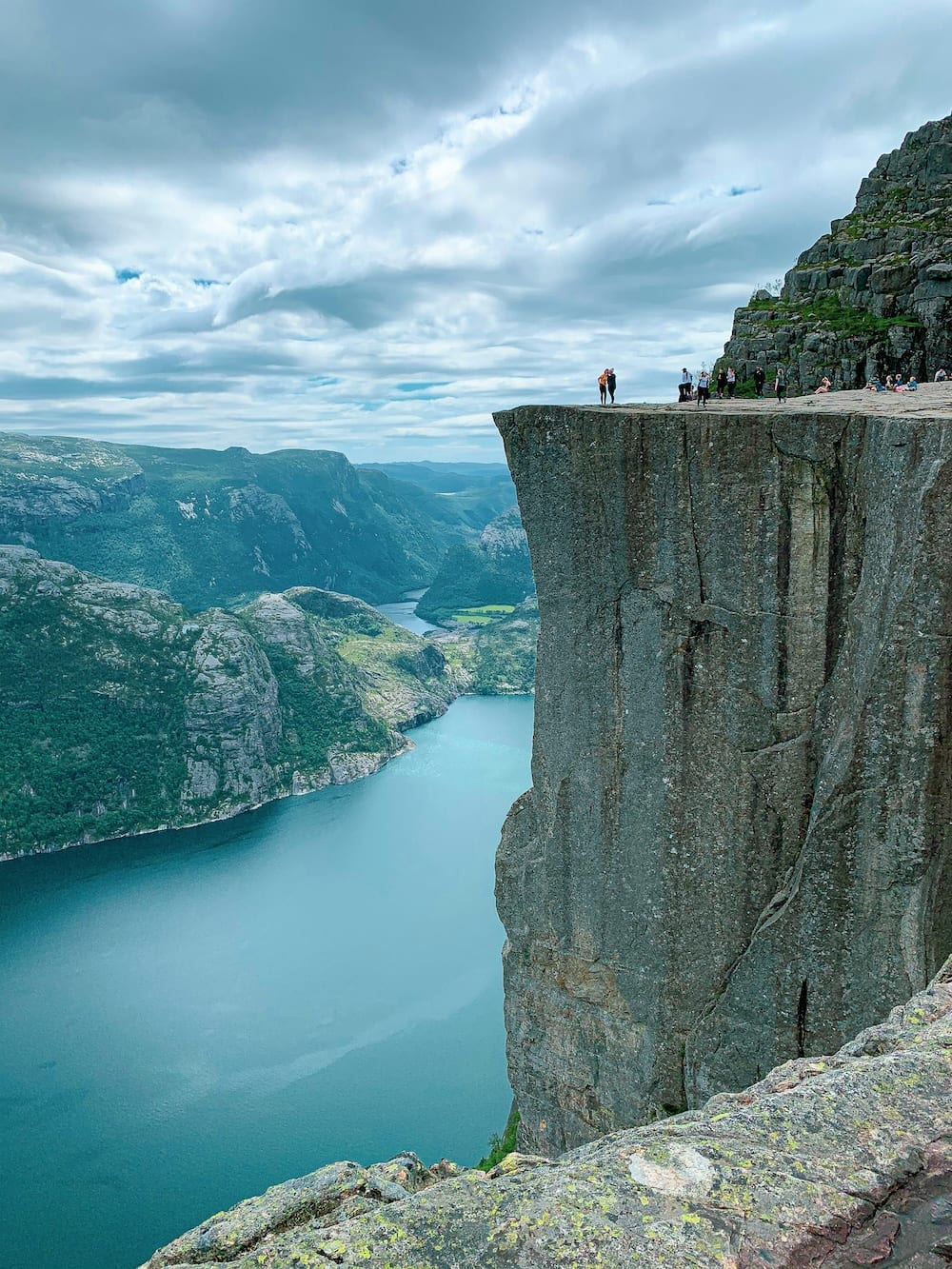
Norway
Our Carbon Removal Readiness Assessment for Norway presents a roadmap and report in Norwegian and English for deploying carbon removal at scale
Explore
Finland
Finland has the necessary resources to lead in carbon removal, but only decisive action will close the country’s projected 16-19 Mt CO2e emissions gap
Explore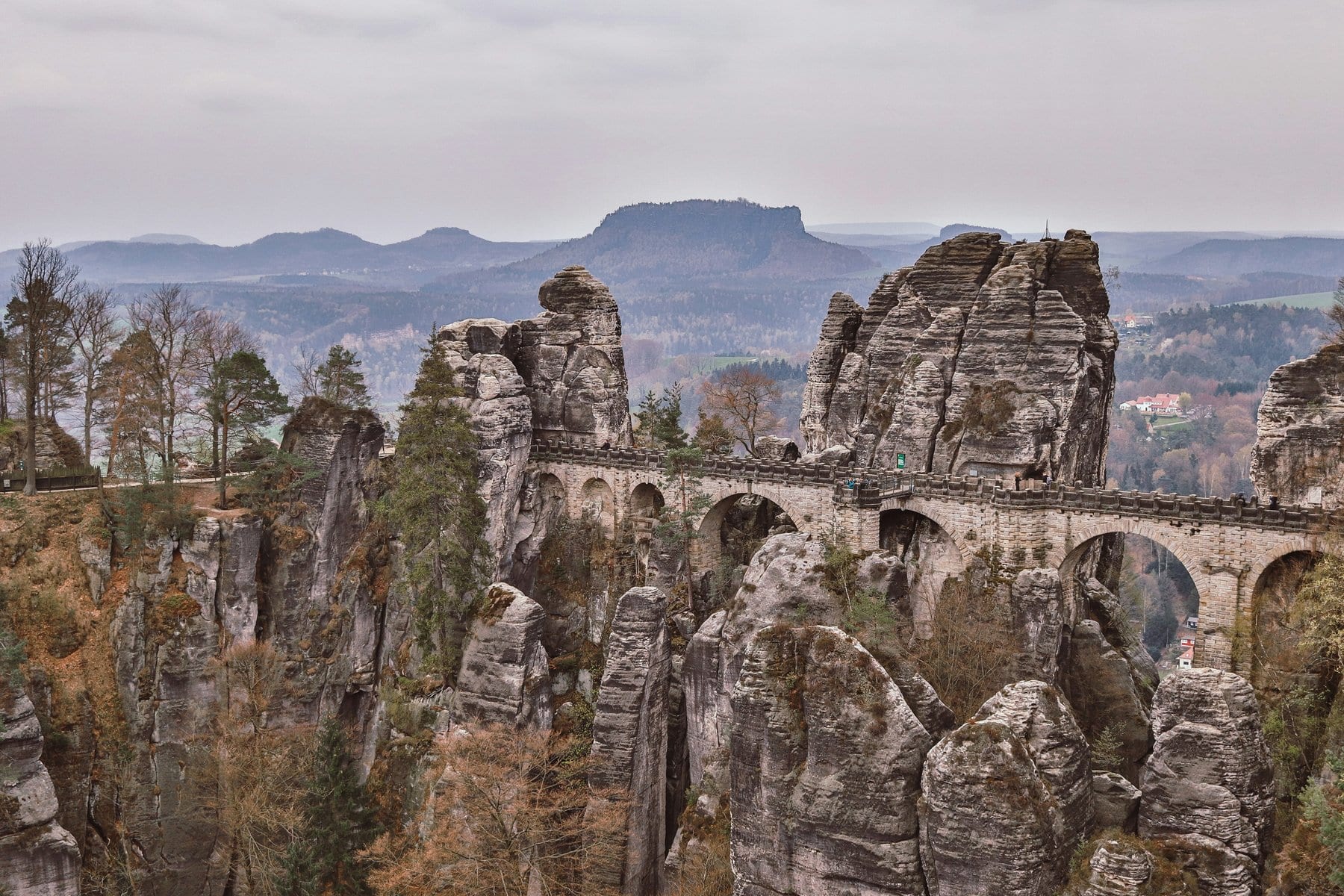
Germany
Carbon removal could fully offset a wide range of Germany’s residual emissions expected by 2045, but the country will need to scale carbon removals to do so
Explore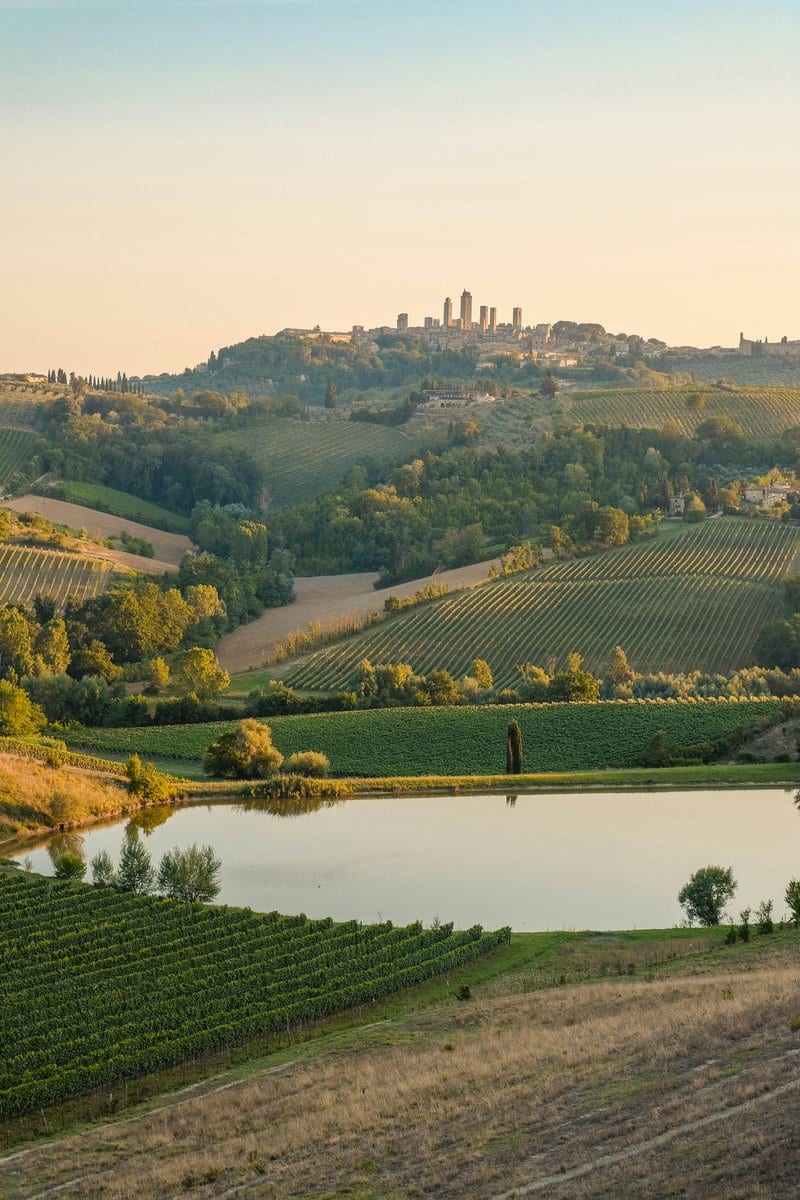
Italy
Italy has significant potential to deploy a diversity of CDR methods to but policy uncertainty and slowing climate momentum risk delaying progress at a critical moment.
Explore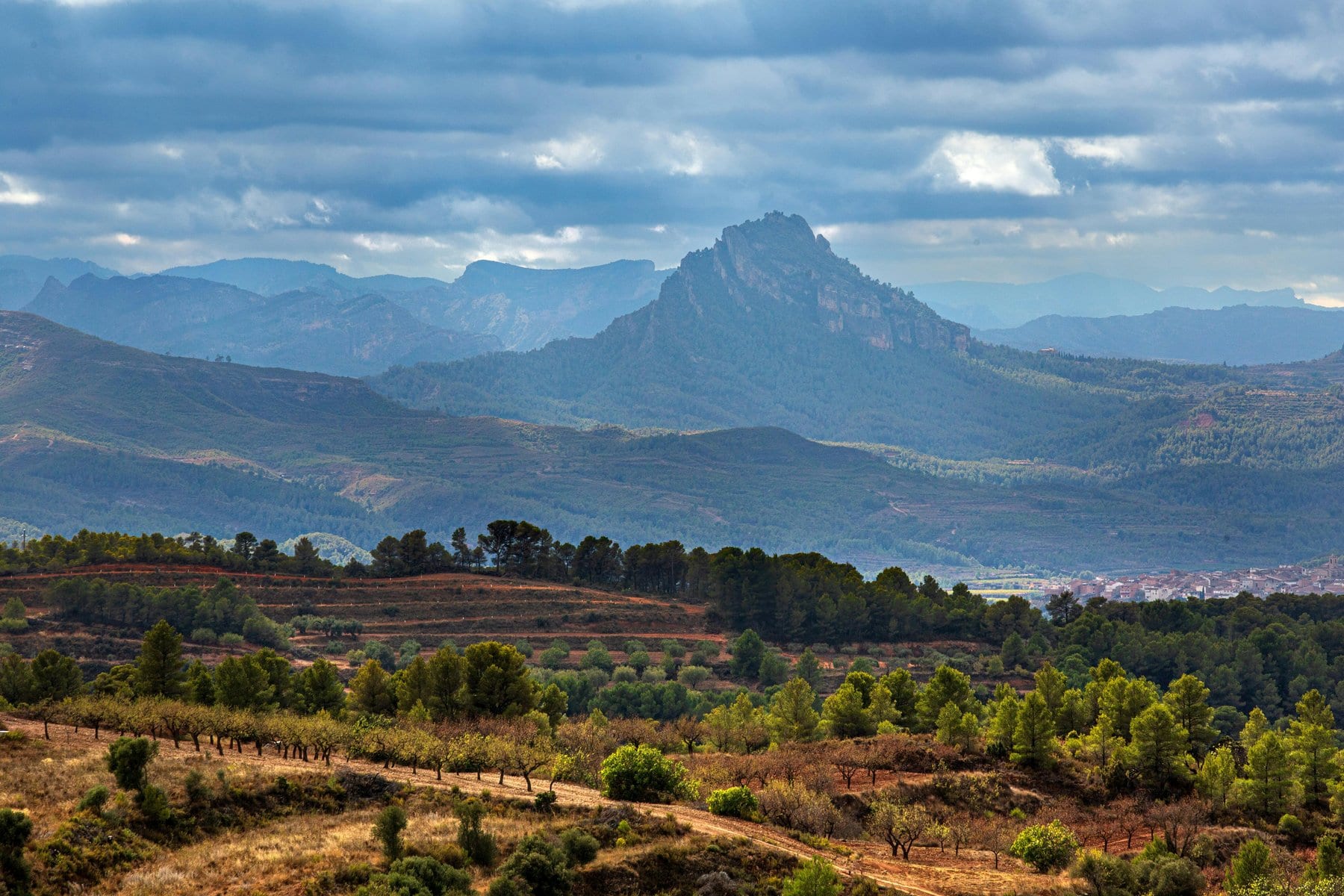
Spain
Our report finds that by leveraging a wide range of CDR methods, Spain could remove up to 69 Mt CO2 annually on top of the country’s natural sink
Explore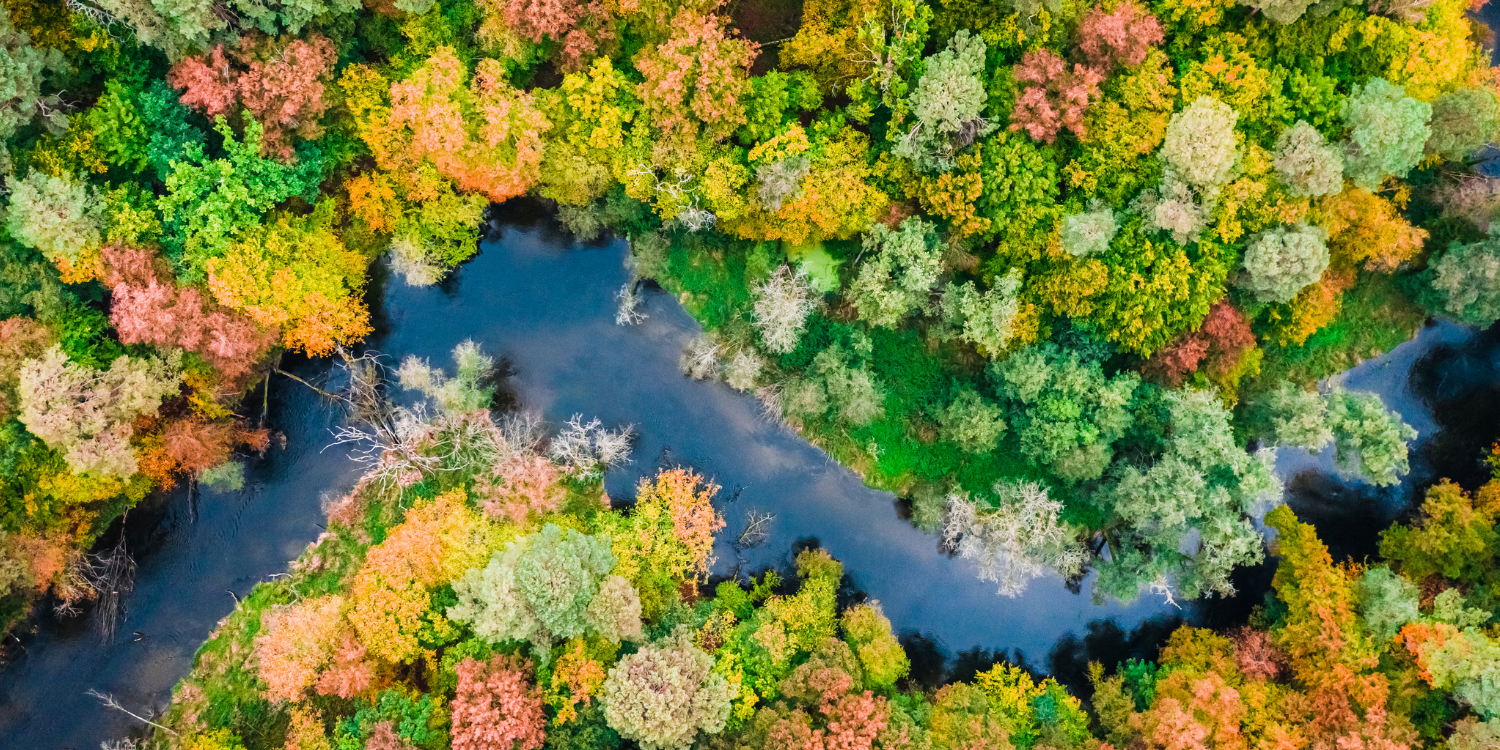
Poland
A new CRRA finds Poland could remove up to ~85 MtCO₂/year by 2050, but lacks the policy and infrastructure to unlock its potential.
Explore
United Arab Emirates
This report is under development. Check back for more updates
Methodology
Stage 1: Background report
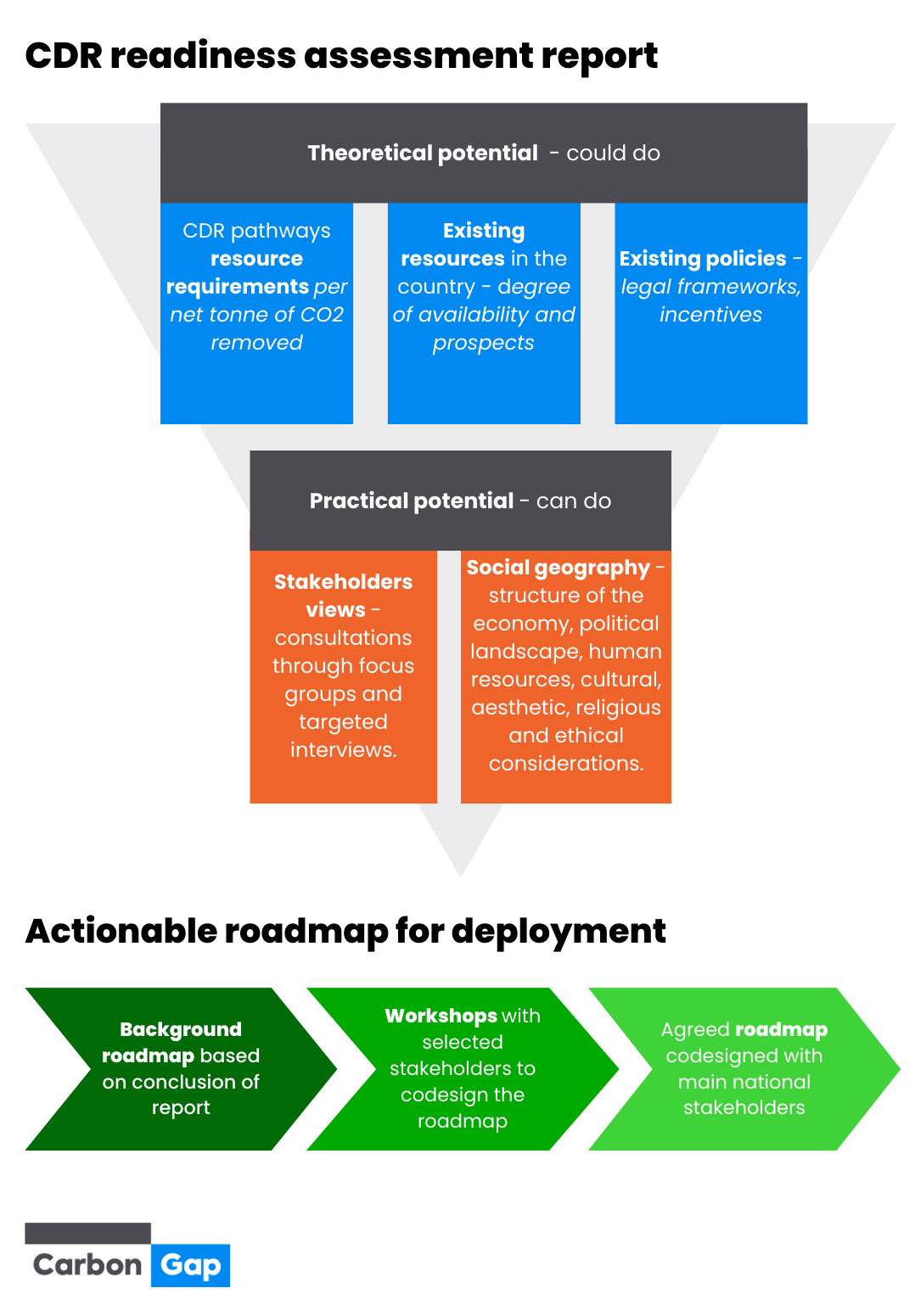
The first phase of each country project consists in preparing a background report where the deployment of CDR pathways is assessed not only based on the theoretical potential but largely considering the country specific governance and social geography. It evaluates the potential of the country through a bottom-up approach.
1. Selection of the CDR pathways considered in the project
CDR is a diverse and quickly expanding family of techniques. In this first step, the project team reviewed existing CDR taxonomies, the maturity/relevance of the existing CDR pathways in general.
2. Resource requirements of CDR pathways
This work package is a collaboration between Carbon Gap and RMI (formerly Rocky Mountain Institute). In collaboration we created a database to characterise the physical resources needs (land, water, energy…) for the considered CDR methods to deliver a net tonne of CO2 removed from the atmosphere that is then stored. The resource requirements can then be matched with the resource availabilities in countries. We focus on requirements estimated based on a life cycle analysis of the process.
The database blends academic literature data, information extracted from the applications of CDR companies to the Stripe/Frontier advanced markets commitment mechanism, and information provided by operating CDR companies.
The deliverable of this work package is a comprehensive database providing the basis for defining common estimates of resource requirements per CDR pathway.
3. Assessment of the existing resources: physical geography of the country
This work package is carried out by local consulting partners and supervised by Carbon Gap. The existence and timely availability of all the resources required to deploy the identified CDR methods and perform the selected CDR portfolios is assessed using preexisting data/report/scenarios.
This assessment is more than a snapshot. Trends and location matter. Resources are mapped geographically, and their trends and projection are considered for the report to give a sense of the near-term trends and inform the planning done in roadmaps.
4. Existing policy
This work package aims at characterising the current policy environment of CDR to identify facilitators as well as blockers and gaps in the existing regulations and incentives.
At this point, the results from work packages 2, 3 and 4 are combined to produce raw estimates of the theoretical potential to deploy CDR. This indicates how much CDR the country could deploy if no other limitations were imposed, which of the various CDR pathways offer most of the potential, and where in the country these activities could take place.
5. Social geography
The study continues with an assessment of the social reality of the country. The local consultants supervised by Carbon Gap build a representative picture of the structure of the economy, the political landscape (groups, positions, trends), the human resources (skillsets, availability), and of the cultural, aesthetic, religious and ethical considerations characteristic to the country.
This desk research is complemented with a series of targeted interviews and citizen panels conducted by the local consultants to capture the perceptions, level of knowledge and position of the relevant national stakeholders on CDR. The key stakeholders involved in the engagement work include policymakers, legislators, industrial players, academics, civil society organisations and citizens.
The deliverable of this WP is a list of enablers and limitations arising from the social geography of the country and how they translate into quantified limitations. For example, an activity like onshore storage may be prohibited, or so unpopular that it is ruled out. Resources like water may be subject to tensions in specific areas, ruling out new uses like CDR.
Once these limitations are factored in the overall assessment, estimates of the practical potential can be created. They correspond to the fraction of the theoretical potential that is achievable under current conditions. Having both theoretical and practical estimations is useful to reveal the nature of the main limiting factors to the deployment of CDR capacity (technical, societal or both).
Stage 2: Roadmap to deployment
The second fundamental deliverable of the Carbon Removal Readiness Assessment is the Roadmap. The project team, together with a selected group of national stakeholders deeply involved in CDR through academia, the industry and politics, build on the learning of the background report to co-design a national CDR deployment roadmap. The agreed roadmap defines a concrete pathway as to how the identified potentials from the background report can be realised in the given country context. The policy recommendations and a timeline to deployment of the prioritised methods provide the necessary clarity to the polity to deliver CDR at the scale required for nothing less but Paris compatibility of their national climate plans. This participative design is vital for the implementation.
Outcomes of the project
Results from Phase 1 and 2
- First bottom-up estimations of the theoretical and practical potential to deploy CDR in the countries covered by the project;
- Beyond the report, the project creates a platform for engagement with stakeholders for collective learning and planning. A large part of the added value of this project lies in the networks, conversations and empowerment that will occur during the project within the national stakeholders;
- Actionable roadmaps for national policy makers, co-designed with key national stakeholders.
Open access method including:
- The proven methodology to generate both background report and roadmap;
- A nomenclature of CDR methods and criteria for selection;
- A database of resource requirements of the CDR methods featuring most recent literature and sector developments;
- An optimisation model for the resource allocation;
- Materials for the citizen panels and interviews with national stakeholders;
- Templates for the report.
Contact
Interested? Do you want to participate or do you have questions?
Contact the project team at: country-reports@carbongap.org